
Understanding Lymphedema: Causes, Symptoms, and Treatment Options
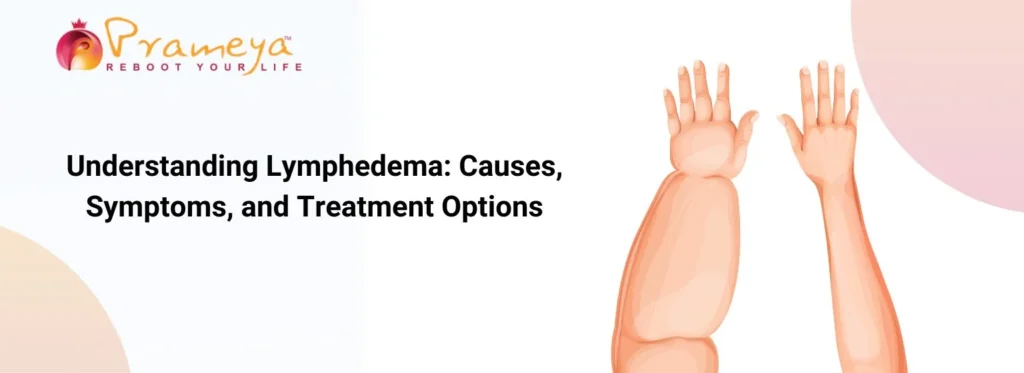
Understanding Lymphedema: Causes, Symptoms, and Treatment Options Lymphedema is the buildup of fluid in different parts of your body due to issues with your lymphatic system. This system is responsible for gathering extra fluid, proteins, and waste products from your cells and tissues, and then sending them back into your blood. Lymphedema affects one-third of breast cancer patients, worsening over time. Prompt treatment is crucial, as failure can lead to infections, harm to the lymphatic system, and Sepsis. The Lymphedema therapy at Prameya Health stands out as a comprehensive, integrated approach that combines the expertise of cancer specialists, yoga therapists, and physiotherapists to assist in the prevention and management of lymphedema. This program offers a range of supportive care services across the Functional, Emotional, Nutritional, and Spiritual or FENS Dimensions of Care. Known as the ‘Sahai Programs,’ they encompass various aspects of care such as Arm Lymphedema Care for Breast Cancer Patients, Cancer Nutrition, Yoga Therapy for Cancer Patients, Psycho-oncology Counselling, Dance Therapy, and Art Therapy. Additionally, the program features a prestigious 3-month program titled “Back on Track.” The most frequent sign is edema. Additional signs of lymphedema include: – You are unable to see or feel the veins or tendons in your hands and feet.– Your arms or legs seem to have different sizes.– It feels as though your joints are unusually stiff or rigid.– Your skin looks puffy or red.– Swelling in your arms or legs, or different areas of your body.– Your arms, legs, or other body parts feel unusually heavy or swollen.– Your clothes or jewelry feel tighter than normal.– You experience a sensation of burning or itching.– Your skin becomes noticeably thicker. The method of managing lymphedema varies depending on the root reason and the intensity of the disease. Treatment options can range from physical therapy to additional therapies aimed at maintaining lymphatic fluid circulation, thereby alleviating swelling and discomfort. Your treating doctor might also suggest antibiotics for infections or pain relievers. If non-surgical methods don’t alleviate symptoms, your doctor may suggest surgical intervention, especially for lymphedema patients, and it’s crucial to discuss this option with your doctor. Visit Prameya Health, where consultations and treatments are led by senior doctors, and enroll for the FENS Prana Sakhi, a comprehensive approach that includes Allopathy, Ayurveda, Naturopathy, Yoga, and Acupressure, to experience the difference.
The Healing Power of Foot Reflexology: A Guide to Natural Relief

The Healing Power of Foot Reflexology: A Guide to Natural Relief Foot reflexology is an ancient practice rooted in traditional Chinese medicine, offering a holistic approach to wellness and natural relief from various ailments. By applying pressure to specific points on the feet, reflexologists believe they can stimulate corresponding organs and systems within the body, promoting balance and healing. The foundation of reflexology lies in the concept that our feet are mirrors of our body. Each foot has numerous reflex points that correspond to different organs and body parts. For instance, the tips of the toes reflect the head and neck, while the arch of the foot corresponds to the digestive organs. By targeting these points, reflexologists aim to alleviate stress, reduce pain, and enhance overall health. One of the primary benefits of foot reflexology is stress reduction. Modern life often leads to chronic stress, which can manifest in various physical and mental health issues. Reflexology sessions help to induce deep relaxation, triggering the body’s parasympathetic nervous system and promoting a state of calm. This can lead to improved sleep, enhanced mood, and better overall well-being. In addition to stress relief, reflexology is known for its pain management capabilities. Many individuals report relief from headaches, migraines, and even chronic conditions such as arthritis and fibromyalgia after regular sessions. The technique is also used to improve circulation, boost immune function, and aid in detoxification by stimulating the lymphatic system. Foot reflexology is a natural, non-invasive therapy that enhances overall health and relaxation, complementing conventional medical treatments. It promotes pain relief and balance, making it a valuable self-care routine. If you are looking out for a reliable foot reflexology, consult Prameya Health’s Pranasakhi, where consultations and treatment are led by senior doctors, which include Naturopathy, Ayurveda, Yoga, and Acupressure for women’s wellness.
The Road to Recovery: Key Healing Signs
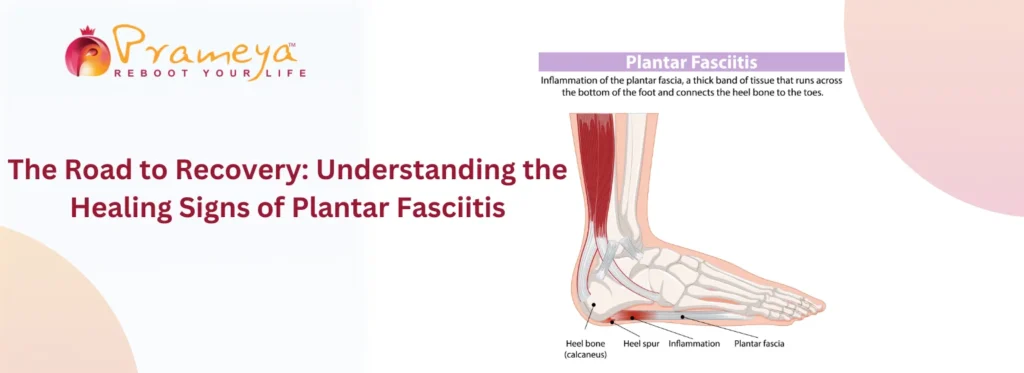
The Road to Recovery: Key Healing Signs The Road to Recovery: Understanding the Healing Signs of Plantar Fasciitis Plantar fasciitis is a common condition causing heel pain, resulting from inflammation of the plantar fascia, a thick band of tissue connecting the heel to the toes. Healing from plantar fasciitis can be a long and agonizing process, but spotting the early signs of improvement can offer much-needed motivation on your journey to getting better. At Prameya Health, we are dedicated to giving our patients the needed guidance and therapies to understand the problem and control their health effectively. A key indicator of healing is a noticeable decrease in pain, particularly when taking your first steps in the morning or after resting. It shows that the swelling in the plantar fascia is subsiding. Moreover, you might find that you can participate in physical activities more comfortably, indicating that your foot is becoming stronger and more flexible. Another encouraging sign is the enhancement in the ability to move your foot and perform stretching exercises without much trouble. Consistently following the recommended exercises and treatments, such as physical therapy, wearing appropriate shoes, and using orthotics, often results in significant benefits. Monitoring the duration and intensity of any lingering pain is crucial. Shorter, less severe pain indicates improvement. Recovery is gradual, so patience is essential. At Prameya Health, the FENS Prana Sakhi consultations and therapies offer plantar fasciitis treatment by expert doctors. The centre provides doctors-led consultations and therapies with an integrated approach, including Allopathy, Ayurveda, Naturopathy, Yoga, and Acupressure.
Beat Menopause Sleep Struggles with Prameya Health

Beat Menopause Sleep Struggles with Prameya Health Menopause introduces a variety of changes in a woman’s life, and one of the most difficult aspects is the disruption of sleep. The changing hormone levels can cause night sweats, difficulty in sleeping, and restless nights. This greatly affects woman’s overall health. Prameya Health recognizes these challenges and through its Prana Sakhi Consultations, provides a comprehensive support to assist women in managing menopause with confidence and ease. At Prameya Health, we focus on Integrated care, acknowledging that menopause impacts both the body and mind. Our approach to care includes the Functional, Emotional, Nutritional, and Spiritual or FENS dimensions. Our programs are tailored to address sleep problems by creating personalized care plans that incorporate proven practices. Our team of skilled healthcare professionals, including doctors, nutritionists, and wellness coaches work together to develop individualized plans for each person. A crucial part of our support is cognitive-behavioural therapy (CBT) for insomnia, which has been effective in treating sleep issues related to menopause. Through CBT, we assist women in forming good sleep habits, managing stress, and overcoming anxiety, all of which lead to improved sleep quality. Our nutrition experts offer advice on eating habits that support restful sleep and hormonal balance. Yoga and physical activities are also key components of our support. Regular physical activity has helped to reduce menopause symptoms and get better sleep. Our fitness experts create personalized workout plans that are safe and effective for women experiencing menopause, ensuring they remain active and energetic. We provide support through mindfulness and relaxation techniques. Practices like meditation, deep breathing, and yoga can lower stress levels and promote a feeling of calm, making it easier to sleep and stay asleep. The FENS Prana Sakhi of Prameya Health specializes in preventive health, addressing the medical needs of women of all ages, offering expert consultations and treatments led by senior doctors, including Naturopathy, Ayurveda, Yoga, and Acupressure. Visit Prameya Health in Jayanagar, Bengaluru to find a new way to wellness during menopause period.
Bone Health After Menopause: Preventing Osteoporosis

Bone Health After Menopause: Preventing Osteoporosis As women progress through menopause, their risk of developing osteoporosis a condition characterized by fragile bones and an increased susceptibility to fractures soars significantly. Prameya Health is dedicated to providing women with the necessary knowledge and strategies to maintain strong bones and overall health during this crucial phase. Below are few points to follow in maintaining good bone health. Understanding the risk Menopause results in a decrease in estrogen levels, a hormone vital for maintaining bone density. This hormonal shift can lead to rapid bone loss, making bones more vulnerable to fractures. However, with the right measures osteoporosis can be effectively prevented or managed. Nutritional essentials Maintaining a good diet high with calcium and vitamin D is essential for the health of your bones. Add milk, spinach, and products enriched with these nutrients to your meals. Vitamin D, essential for calcium absorption, can be obtained from sun exposure and consuming fish and fortified cereals. Consider supplementing if dietary intake is insufficient. Exercise regularly Performing exercises that apply pressure to the bones and resistance training is the key for promoting bone growth and strength. Activities such as walking, jogging, and weightlifting are beneficial for bone density. Spend a minimum of 30 minutes performing exercises moderately every day for the best outcomes. Lifestyle changes Embracing a nutritious way of living can greatly affect the strength of your bones. Quitting smoking and reducing alcohol consumption are important, as these habits can lead to bone loss. Maintaining a healthy weight also reduces the strain on bones and joints. Regular check-ups and medical advice Undergoing regular bone density screenings, particularly for women post-menopause, is crucial for early detection and intervention. Discuss with your physician about medications that can help preserve bone density if you are at a high risk. Holistic approach Integrating a holistic approach to health, including stress-relief techniques like yoga and meditation, can enhance overall well-being and bone health Prameya Health specializes in preventive health, addressing the medical needs of women of all ages, offering expert consultations and treatments led by senior doctors Including Allopathy, Ayurveda, Naturopathy, Yoga and Acupressure.
Beyond Lumps: Lesser-Known Symptoms of Breast Health Issues

Beyond Lumps: Lesser-Known Symptoms of Breast Health Issues Lumps are often the primary concern when it comes to breast health. However, there are a few lesser-known signs that might point to deeper problems with breast health. Being aware of these can help catch issues earlier and improve the chances of a good outcome. The FENS Prana Sakhi of Prameya Health specializes in preventive health, addressing the medical needs of women of all ages, offering expert consultations and treatments led by senior doctors, including Allopathy, Naturopathy, Ayurveda, Yoga, and Acupressure. Changes in the skin Ups and downs in how the skin feels or looks on the breast can be a clue to breast health problems. This includes things like dimpling or puckering, redness, scales, or a rash on the breast or nearby the nipple. These changes might suggest inflammatory breast cancer or other issues that need medical care. Unexpected nipple fluid One should be cautious if you notice fluid leaking from your nipple without warning, particularly if it’s transparent, bloody, or flows out naturally. While some of this fluid might be harmless, it could also mean there’s an infection, a non-cancerous growth, or, in very rare cases, breast cancer. Any fluid that’s out of the ordinary should be checked by a doctor. Pain or tenderness While breast pain is often linked to changes in hormones, if you feel pain that’s constant in one area of the breast and not related to your period, it’s important to get it checked. This could be a sign of a non-cancerous issue like a cyst, but it could also be a sign of breast cancer. Shifts in breast size or shape A sudden change in the size or shape of one breast can be a sign of trouble. If one breast becomes noticeably bigger or changes shape without a clear reason, like weight changes or hormonal shifts, it’s crucial to see a doctor. Swelling or thickening Any swelling or thickening of the breast tissue or the area under the arms that you can’t explain should be taken seriously. This symptom might be due to a non-cancerous issue like a cyst or an infection, but it could also mean there’s a more serious problem like lymphatic blockage or breast cancer. Nipple turning inward or inversion If the nipple suddenly starts to point inward or becomes inverted, it could be a sign of an issue. While some people naturally have inverted nipples, a sudden change should be looked into. You are bound to ignore these changes unlike lumps until you consult regularly a medical care professional. Prameya Health specializes in preventive health, addressing the medical needs of women of all ages, offering expert consultations and treatments led by senior doctors, including Allopathy, Ayurveda, Naturopathy, Yoga, and Acupressure.
Understanding Arm Lymphedema: Basics, causes, and symptoms.

Understanding Arm Lymphedema: Basics, causes, and symptoms. Introduction Lymphedema is a condition where lymphatic fluid accumulates beneath the skin, leading to swelling, usually in the arm or leg. Lymph plays a crucial role in transporting infection-fighting cells and removing foreign substances from the body. It travels through the lymphatic system, passing through lymph nodes for purification. Lymphedema occurs when lymph flow is blocked. Causes: Secondary Lymphedema Most cases of lymphedema are secondary, meaning the lymphatic system has been damaged, causing a disruption or blockage in the movement of lymphatic fluid. Common causes include: Surgery: Lymphedema can develop after surgery, particularly in women who have had multiple lymph nodes removed during breast cancer treatment.Infection: Infections of the lymphatic system, such as filariasis in tropical regions, can also lead to lymphedema.Cancer: Lymphoma or metastasized cancers can obstruct lymphatic vessels, contributing to lymphedema.Radiation Therapy: Radiation therapy for cancer can result in scar tissue formation, which can further obstruct lymphatic vessels. Primary Lymphedema Primary lymphedema develops without any known injury or infection. Depending on when symptoms first appear, it can be categorized into three types: Congenital Lymphedema: Present at birth, this type more commonly affects females, typically causing swelling in both legs and primarily impacting the lower limbs.Lymphedema Praecox: This form appears after birth but before the age of 36, often during early adolescence. It is the most common form of primary lymphedema.Lymphedema Tarda: The rarest form, it affects individuals 36 years of age or older. These types are likely connected to the improper formation of lymphatic vessels before birth, with the timing of symptoms indicating when these vessels begin causing swelling in the arms or legs. Symptoms of Lymphedema Lymphedema causes swelling, often accompanied by feelings of heaviness, tightness, or fullness, typically in one arm or leg. In most cases, only one limb is affected. Swelling in the leg usually starts at the foot and may progress upwards, impacting the ankle, calf, and knee as it worsens. Other symptoms may include: – A constant, mild pain in the affected area.– A feeling of constriction in the skin.– Difficulty moving the affected limb or flexing a joint due to swelling and tight skin.– Clothing, shoes, rings, or watches suddenly feeling too tight. Lymphedema can increase the risk of skin infections, with signs including fever, pain, warmth, and redness. In chronic (long-term) cases, the skin in the affected area may become thickened and hard. Preventing Lymphedema After surgery for breast or prostate cancer, your healthcare provider or physical therapist might recommend specific exercises once you have fully recovered. Engaging in muscle use can help promote lymphatic fluid flow through small channels.To reduce the risk of developing lymphedema after breast surgery, avoid injections, intravenous (IV) lines, or blood draws in the arm on the surgical side. Seek immediate treatment if you suspect a skin infection on the surgical side. Additional measures to lower the risk of secondary lymphedema include: – Avoid lifting heavy objects with the affected arm.– Elevate the affected arm or leg(s).– Avoid applying heat or extreme cold to the affected limb.– Stay away from items that might squeeze, such as blood pressure cuffs or tight clothing.– Wear compression arm sleeves or stockings– Practice manual lymphatic drainage as advised by a trained therapist. Conclusion: Arm lymphedema is a chronic condition often caused by lymph node removal or damage during cancer treatment. Early recognition of symptoms like swelling, heaviness, and skin changes is crucial. With proper management, individuals can effectively manage lymphedema and improve their quality of life. FENS Prana Sakhi at Prameya Health offers integrated preventive care for women, including Allopathy, Ayurveda, Naturopathy, Yoga, and Acupressure, all under one roof.
Integrating Emotional and Physical Health for Well-being

Integrating Emotional and Physical Health for Well-being Introduction In today’s quick-paced world, it’s usual for individuals to put their physical fitness ahead of their mental health. However, true health involves the harmony of both the mind and body, contributing to a well-rounded life. When emotional and physical health are in sync, life’s quality significantly improves. FENS Prana Sakhi by Prameya Health is a pillar of this comprehensive approach, focusing on wellness from a broad perspective that integrates emotional and physical care for enduring health. The link between emotional and physical health The mind and body are intricately connected, affecting each other in nuanced yet impactful ways. Stress, anxiety, and unresolved emotional issues can lead to physical symptoms such as fatigue, headaches, digestive problems, or chronic pain. On the flip side, physical conditions can also impact emotional health, potentially causing depression or anxiety. For example, individuals with chronic diseases often face emotional challenges due to the constraints of their physical condition. At Prameya Health, the significance of acknowledging and addressing this mind-body relationship is highlighted testimony of which lies in their Women’s Wellness Program. By treating emotional and physical health together, individuals can attain a more balanced and healthy existence. The importance of emotional health in physical wellness Emotional health involves understanding and managing one’s emotions, including resilience, coping with life’s difficulties, and sustaining positive relationships. Research indicates that emotional well-being is crucial for physical health. Those with robust emotional health typically experience lower rates of chronic diseases, reduced chances of heart disease, and improved immune system function. Prameya Health provides integrated solutions that address not only physical symptoms but also offer emotional support. Their holistic strategy includes counselling, stress management programs, and lifestyle changes aimed at fostering emotional resilience, which, in turn, supports physical health. The influence of physical health on emotional wellness A healthy body supports a healthy mind. Activities like regular exercise, a balanced diet, and sufficient sleep are essential for overall well-being. For instance, physical activity stimulates the release of endorphins, which serve as natural mood enhancers. When the body is properly fed and gets enough sleep, people are more capable of handling emotional difficulties and stress. Prameya Health champions a balanced lifestyle that promotes both emotional and physical health. They offer programs focused on physical fitness, nutrition, and preventive care. By enhancing physical health, their approach aids in maintaining emotional stability and clarity. Comprehensive health care at Prameya Health At Prameya Health, the holistic philosophy is central to their well-being approach. They provide personalized care that combines emotional counselling, physical therapy, and wellness programs customized for each individual’s requirements. This ensures that both emotional and physical health are nurtured, leading to more sustainable, long-term health outcomes. Consult FENS Prana Sakhi of Prameya Health which specialises in preventive health, addressing both the medical and emotional needs of women of all ages, offering expert consultations and treatments led by senior doctors, including Naturopathy, Ayurveda, Yoga, and Acupressure. Conclusion: Health is not just the absence of disease; it’s a harmonious state where emotional and physical well-being are in balance. By recognizing the vital link between these aspects of health, individuals can take a proactive approach to their well-being. FENS Prana Sakhi by Prameya Health leads the way with its integrated care model, offering a comprehensive strategy that nurtures both emotional and physical health, guiding individuals toward a more balanced, healthier life.
Understanding and Managing Menopause: A Comprehensive Guide

Understanding and Managing Menopause: A Comprehensive Guide Menopause signifies the end of a woman’s reproductive years, causing profound changes physically and emotionally, and the changes vary differently in women. Prameya Health believes in empowering women with a holistic approach to navigate this transition smoothly and confidently. Now let’s understand menopause and how to manage the transition. What is Menopause? The hormonal transition known as menopause, which marks the cessation of monthly cycles after 12 months without one, generally occurs between the ages of 45 and 55. Menopause is a normal biological process, but the symptoms vary and can be challenging for many women. Menopause symptoms Menopause presents various physical and mental symptoms, the common ones include Hot Flashes – Abrupt sensations of warmth throughout the body, frequently with redness and sweating Night Sweats – Excessive sweating during sleep disrupts rest and causes fatigue. Mood swings – Hormonal changes cause increased irritation, anxiety, or depression. Sleep Problems – Difficulty falling or staying asleep is associated with night sweats. Vaginal Dryness – Decreased lubrication causes discomfort during sexual activity. Weight Gain and Slow Metabolism – Changes in body composition and metabolism lead to weight gain and difficulty managing weight. Managing menopause symptoms is not difficult. A healthy body supports a healthy mind. Activities like regular exercise, a balanced diet, and sufficient sleep are essential for overall well-being. For instance, physical activity stimulates the release of endorphins, which serve as natural mood enhancers. When the body is properly fed and gets enough sleep, people are more capable of handling emotional difficulties and stress. Prameya Health champions a balanced lifestyle that promotes both emotional and physical health. They offer programs focused on physical fitness, nutrition, and preventive care. By enhancing physical health, their approach aids in maintaining emotional stability and clarity. Comprehensive health care at Prameya Health Although menopause is a natural process, sustaining quality of life requires proper symptom management. Prameya Health suggest the below activities to be followed- Regular exercise, a balanced diet, and adequate hydration can help alleviate symptoms like hot flashes, weight gain, and mood swings. Regular yoga, meditation, and deep breathing can reduce stress and improve emotional well-being. Hormone Replacement Therapy (HRT) is a potentially effective treatment for severe symptoms, but it is necessary to consult a doctor and proceed under their supervision. Certain herbal supplements can help reduce hot flashes and other symptoms. Regular visits to your family doctors can help manage symptoms and monitor for potential health issues related to menopause. Conclusion Menopause is a unique life transition for women, and effective management strategies can help navigate it with ease and confidence. With a holistic approach, Prameya Health’s FENS Prana Sakhi specializes in preventive health, addressing the medical needs of
What is lymphedema and how to manage it?
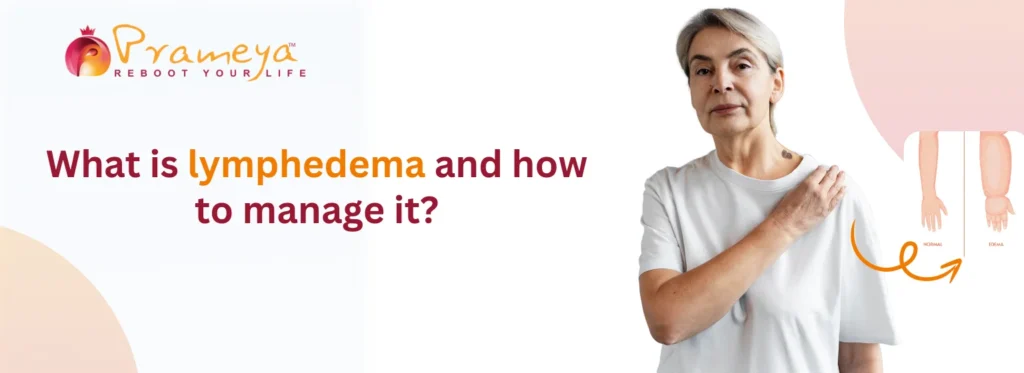
What is lymphedema and how to manage it? Lymphedema is a chronic condition causing swelling of tissues, mainly in the arms or legs, due to the accumulation of lymph fluid resulting from compromised or blocked lymphatic systems due to infections. Lymphedema can develop due to various reasons, including surgical removal of lymph nodes, radiation therapy, infections, cancer, or congenital defects in the lymphatic system. Prameya Health’s FENS Prana Sakhi provides a holistic treatment led by senior doctors, including allopathic, Naturopathy, Ayurveda, Yoga, and Acupressure. Types of lymphedema – primary and secondary Primary lymphedema is uncommon and frequently results from genetic defects that impair lymphatic system development. Secondary lymphedema is more common and results from external factors such as surgery, radiation, trauma, or infection that damage the lymphatic vessels or nodes. People who have received cancer therapy, especially for gynaecological, breast, or prostate malignancies, are more likely to experience lymphedema. Managing Lymphedema- It involves a combination of medical treatments, self-care practices, and lifestyle changes to reduce swelling, prevent complications, and maintain overall limb function. Here are some key strategies: Compression Therapy- Wearing compression garments like sleeves or stockings maintains pressure on affected limbs, prevents fluid accumulation, promotes lymphatic flow, and reduces swelling, while bandaging supports compression. Manual Lymphatic Drainage (MLD)- This specialized massage technique encourages the flow of lymph fluid and reduces congestion in the affected area. MLD is an essential part of controlling lymphedema, and it should only be administered by licensed therapists. Regular movement & exercise- Regular and low-impact exercises such as walking, swimming, or yoga help improve lymphatic drainage and muscle strength. However, Patients should consult their doctor for tailored exercise plans that avoid overstraining the affected part. Skin Care- Taking good care of your skin is necessary to avoid infections like cellulitis, which can exacerbate lymphedema. Keep the skin clean and moisturized, avoid injuries, and promptly treat cuts or insect bites. Weight & Diet Management- Maintain a healthy weight to reduce the strain on the lymphatic system. Swelling can be controlled with a healthy, low-sodium diet high in fruits, vegetables, and lean proteins. Advanced Therapies- Under medical supervision, advanced therapies like pneumatic compression devices, micro vascular surgery are considered for managing severe cases of lymphedema.Hence, individuals with lymphedema can lead healthier and more comfortable lives by understanding the condition and adopting a comprehensive management approach. At Prameya Health, we provide personalized care plans and support to help you manage lymphedema effectively. The FENS Prana Sakhi of Prameya Health specializes in preventive health, addressing the medical needs of women of all ages, offering expert consultations and treatments led by senior doctors, including allopathic, Naturopathy, Ayurveda, Yoga, and Acupressure.

