
Early Signs of Menopause: Symptoms Women Often Miss
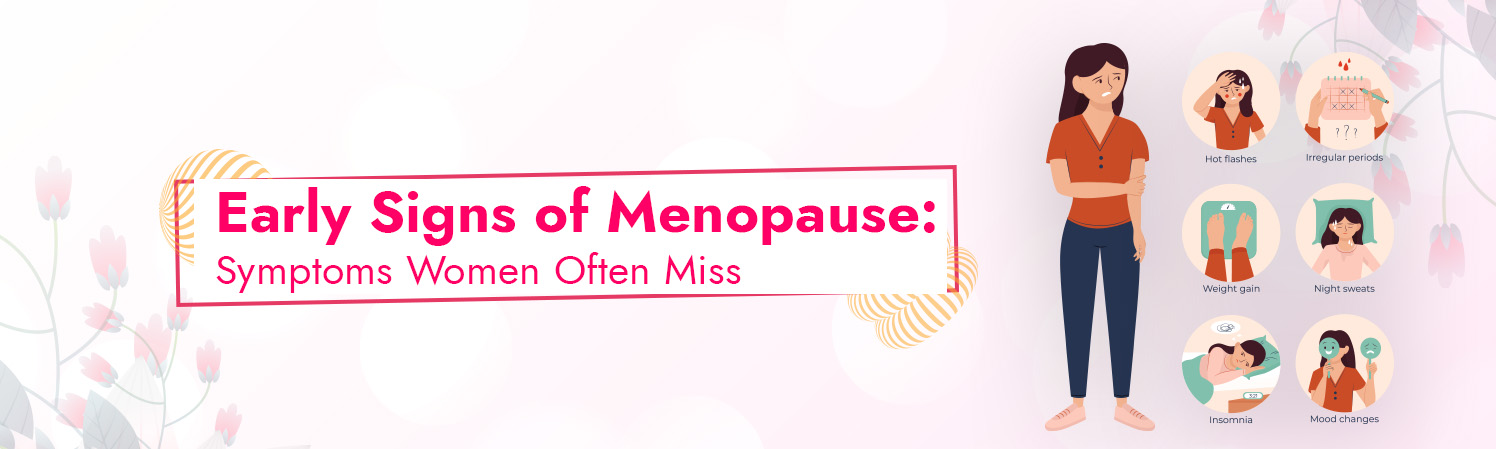
Menopause is all about understanding your body and honoring your health. Every woman goes through the natural transition of menopause, although for many, it happens subtly before the official menopause stage starts. erimenopause is a stage that can begin as early as the mid-30s or early 40s, and its symptoms are frequently ignored or misinterpreted. At Prameya Health, we think that raising awareness is the first step to regaining equilibrium, enhancing wellbeing, and lowering stress levels both physically and emotionally.
Many women assume that menopause is only indicated by hot flashes or the cessation of monthly cycles. However, the early indicators of menopause often begin much earlier and may occur in subtle ways—changes in energy, mood, sleep, or weight. Recognizing these cues at the appropriate moment plays a vital part in long-term hormonal health for women and helps minimize unneeded discomfort. With Prameya Health’s integrative and holistic approach, womenreceive compassionate counsel, prompt evaluation, and supportive care to move through this phase confidently.
Current Challenges
Why Early Symptoms Feel More Intense Today Women’s perimenopausal symptoms are largely influenced by the fast-paced lifestyle of today. Increased stress, chronic lack of sleep, inconsistent meal timings, and sedentary job patterns frequently make the indicators of hormonal imbalance more obvious and more difficult to control.
1. Stress:
The ongoing mental strain has an impact on cortisol levels, which have a close relationship with progesterone and estrogen. This increases the frequeny of perimenopausal anxiety and menopausal mood swings.
2. Poor Sleep:
Late- night screen time, busy schedules, and urban noise all disturb natural sleep cycles, worsening sleep problems in menopause.
3. Irregular Diet:
Skipping meals, quick food, and poor hydration aggravate symptoms such menopause fatigue and dullness.
4. Sedentary Habits:
Long hours of sitting at workstations or lack of exercise contribute to weight increase in menopause, emotional swings,
and reduced energy.
These lifestyle choices don’t simply increase symptoms-they also disguise the fact that hormonal changes have already begun. Early menopausal symptoms are sometimes misinterpreted by women as evidence of emotional exhaustion, aging, or work strain.
What's Happening Inside the Body? Hormonal shifts Explained
Perimenopause is a time of transition where the ovaries progressively begin generating less estrogen and progesterone. Numerous facets of day-to-day functioning are influenced by these hormones, and even slight variations might result in observable alterations.
1. Estrogen:
Promotes reproductive cycles, strong bones, healthy skin, and emotional stability. Women may become irritable, have irregular periods, or become sensitive to stress when levels fall or fluctuate.
2. Progesterone:
Helps regulate sleep, mood, and menstrual consistency. Anxiety, restlessness, and sleep difficulties might result from declining levels.The brain, metabolism, reproductive system, and even cardiovascular health are all impacted by these changes taken together.
Understanding these changes helps women to understand that their symptoms have a true, biological cause—not something they are imagining or “overrecating” to. Education is a crucial component of rehabilitation at Prameya Health, assisting women in maintaining their knowledge and self-assurance throughout the process.
Symptoms That Women Frequently Miss
Early menopausal symptoms are frequently disregarded since they resemble prevalent problems. Women frequently encounter the following symptoms without recognizing they are associated with perimenopause:
1. Fatigue:
In addition to work-related burnout, persistent fatigue, exhaustion, or lack of motivation may be an early sign of menopausal fatigue.
2. Mood Swings:
Sudden anger, emotional sensitivity, or feeling down can be connected to menopause mood swings induced by changing hormones.
3. Irregular Periods:
Cycles can get lighter, heavier, longer, or shorter. Missing periods occasionally is also normal during early hormonal shifts.
4. Gaining Weight:
Weight gain in menopause is the term used to describe the additional weight that many women suffer, particularly around the abdomen, as a result of decreased metabolism and hormonal imbalance.
5. Brain Fog:
Early estrogen fluctuations are frequently linked to mental dullness, forgetfulness, and difficulty focusing.
6. Low Sexual Desire Reduced:
sexual desire is a frequent yet less spoken about characteristic of menopause symptoms, frequently connected to hormone dips and weariness.
7. Problems with Sleep:
Among the first sleep issues in menopause include insomnia, restless nights, or waking up exhausted.
8. Fear:
Unexplained worry, anxiousness, or a sensation of unease can suggest Perimenopause anxiety as opposed to just emotional strain.
You shouldn’t disregard these signs. When understood early, they can be controlled effectively with the correct counsel, support and lifestyle modification.
Useful Lifestyle Advice to Promote Hormonal Balance
At Prameya Health, we place a strong emphasis on straightforward, sustainable lifestyle choices that support women in gracefully and powerfully navigating the early menopause. Significant advances are frequently the result of little, continuous modifications.
Nutrition:
- Incorporate entire grains, fruits, veggies, complete meals, and healthy fats.
- For the health of your bones and brain, eat more meals high in calcium and omega-3 fatty acids.
- Cut back on processed meals and sugar that cause mood swings and inflammation.
Exercise:
- Every day, try to get in 30 to 45 minutes of exercise, such as strength training, cycling, swimming, or walking.
- Incorporate flexibility and balance activities to improve physical stability.
Sleep Hygiene:
- Maintain a regular sleep routine.
- Don’t spend too much time on screens right before bed.
- Make your sleeping space peaceful, cool, and dark.
Stress Management:
- Regular meditation or breathing techniques lower cortisol levels and emotional reactivity.
- Spending time in outdoors or indulging in creative hobbies and healthy social connections for better emotional wellbeing and stability.
Holistic Practices:
- Yoga: Supports flexibility, relaxation, and hormonal balance. Ayurvedic oil massage, or abhyanga, enhances circulation, lowers stress, and encourages sound sleep.
These strategies assist women to acquire control over their symptoms and improve their quality of life.
How Prameya Health Assists You and When to Ask for Help
While some early indicators of menopause are controllable at home, certain symptoms require expert attention especially when they interfere with everyday life.
Seek aid if you notice:
- Chronic exhaustion or depression
- Severe or erratic bleeding
- Quick weight increase
- Extreme mood swings or anxiety
- Severe sleep disruptions
- Abrupt alterations in menstrual cycles.
Managing everyday obligations is challenging because of symptoms
At Prameya Health, we offer integrative support for menopausal that includes contemporary medicine, traditional healing, nutrition, and lifestyle coaching. Our holistic approach includes: Comprehensive hormonal evaluation Dietary and lifestyle recommendations Programs for managing stress and sleep Yoga therapy, Abhyanga, and mind-body practices customized treatment programs.
Prameya Health Can Help You Take Control of Your Menopausal Health The first and most crucial step in preserving hormonal balance and long-term wellbeing is identifying the early indicators of menopause.
Quick Links
- About Us
- Service
- Classes
- Newest Trendy
- Our Instructor
- Testimonials
- Gallery
- Pricing Plan
99th, Arround St. Pku City, 28292, Riau Indonesia
Call Us
+(827) 123 - 456 - 7891
Mail Us
info@evaniayogastudio.com


Prana Sakhi
Cancer Support
Resources
Therapies
Yoga Programs
Locate Us
- #250, 9th ‘A’ Main, 3rd Block, Jayanagar, Bangalore 560 011
- info@prameyahealth.com
- +91 9606439303
Copyright © 2026 Prameya Health | Powered by STRATIST