
Is Joint Pain Inevitable? Here's What Every Woman Should Know
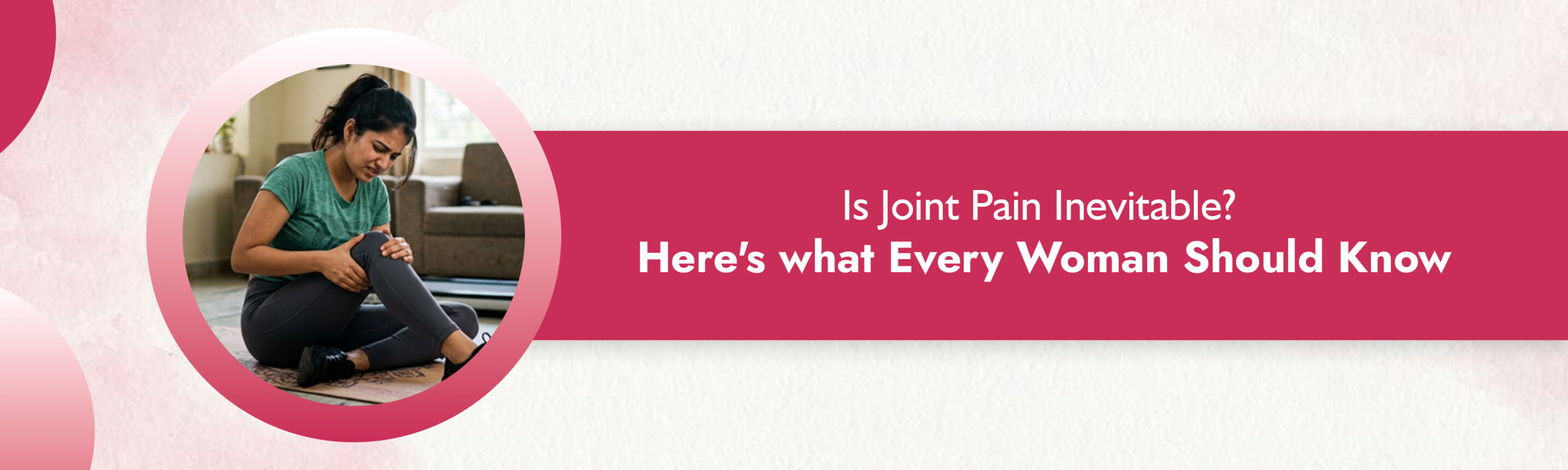
Joint pain is often dismissed as something women simply have to accept with age. Whether it begins after pregnancy, during menopause or alongside a busy lifestyle, many women assume that aching knees, stiff shoulders or sore wrists are just part of getting older.
The truth is, while the risk of joint pain in women increases due to several biological and lifestyle factors, it is not inevitable. Understanding the causes, recognising early symptoms and seeking timely care can make a significant difference in maintaining mobility and quality of life.
At Prameya Health, we believe that healthy movement is essential at every stage of a woman’s life. Through an integrated approach to care, we help women manage pain, improve function and support long-term wellness.
Why Are Women More Prone to Joint Pain?
Several factors contribute to the higher prevalence of joint problems among women.
Hormonal Changes
Hormones play an important role in maintaining bone and joint health. Oestrogen helps protect cartilage and supports bone density. During perimenopause and menopause, declining oestrogen levels can contribute to joint stiffness, inflammation and an increased risk of osteoarthritis and osteoporosis.
Some women also notice temporary joint discomfort during pregnancy or after childbirth due to hormonal changes and increased strain on the body.
Ageing
As we age, the cartilage that cushions our joints naturally wears down over time. While this process cannot be completely prevented, healthy lifestyle habits can slow its progression and reduce symptoms.
Autoimmune Conditions
Women are more likely than men to develop autoimmune diseases such as rheumatoid arthritis and lupus. These conditions can cause chronic joint inflammation, swelling and pain if left untreated.
Lifestyle Factors
Modern lifestyles often involve long hours of sitting, limited physical activity, poor posture and increased stress. These habits can weaken muscles that support the joints, increasing the likelihood of discomfort and injury.
Understanding these causes of joint pain in women is the first step toward prevention and early intervention.
Is Joint Pain a Normal Part of Ageing?
Ageing increases the likelihood of joint problems, but pain itself should never be considered “normal.”
Persistent discomfort, swelling or stiffness may indicate an underlying condition that requires medical attention. Early diagnosis often leads to better outcomes and can help preserve joint function for years to come.
Ignoring symptoms because they seem like a natural part of ageing may delay treatment and reduce mobility over time.
Common Symptoms You Shouldn't Ignore
Many joint conditions develop gradually, making them easy to overlook.
Consult a healthcare professional if you experience:
Persistent joint pain lasting several weeks
Morning stiffness that continues for more than 30 minutes
Swelling or warmth around a joint
Difficulty climbing stairs or getting up from a chair
Reduced range of motion
Pain that interferes with daily activities
Frequent muscle weakness around affected joints
Seeking care early helps identify the underlying cause and prevents further joint damage.
Can Joint Pain Be Prevented?
While not every condition can be avoided, many women can prevent joint pain naturally by adopting healthy habits that protect their muscles, bones and joints.
Stay Physically Active
Regular exercise strengthens the muscles surrounding the joints, improves flexibility and supports balance.
Activities such as walking, yoga, swimming and strength training are excellent choices for maintaining joint health. Aim for at least 150 minutes of moderate physical activity each week, along with muscle-strengthening exercises on two or more days, based on your healthcare provider’s recommendations.
Maintain a Healthy Weight
Every extra kilogram of body weight increases stress on weight-bearing joints such as the knees and hips. Maintaining a healthy weight reduces strain and lowers the risk of developing osteoarthritis.
Eat to Support Joint Health
Nutrition plays an important role in maintaining healthy muscles, bones and joints.
A balanced diet should include:
Protein for muscle maintenance
Calcium-rich foods for bone strength
Vitamin D to support calcium absorption
Fruits and vegetables rich in antioxidants
Omega-3 fatty acids that may help reduce inflammation in some individuals
Even during cooler weather, remember to stay adequately hydrated.
Maintain a Healthy Weight
Excess body weight places additional stress on weight-bearing joints such as the hips, knees and ankles. Maintaining a healthy weight helps reduce joint strain and supports long-term mobility.
Eat for Bone and Joint Health
A balanced diet supports both muscles and joints.
Include foods rich in:
Protein
Calcium
Vitamin D
Omega-3 fatty acids
Fruits and vegetables containing antioxidants
Good nutrition also supports muscle strength, making it easier to stay active.
Prioritise Posture and Ergonomics
Whether you work from home or in an office, prolonged sitting with poor posture can contribute to neck, shoulder and back pain.
Adjust your workstation, take regular movement breaks and avoid remaining in the same position for long periods.
Looking Beyond Pain with Holistic Joint Care
At Prameya Health, we recognise that joint health is influenced by much more than bones and cartilage. Lifestyle, nutrition, emotional wellbeing and physical activity all contribute to how the body moves and heals.
Our approach to holistic joint care is guided by the FENS framework:
Functional Well-being
Personalised rehabilitation, guided exercise and movement therapies help restore mobility and strength.
Emotional Well-being
Living with chronic pain can affect confidence, mood and overall wellbeing. Emotional support and counselling can help individuals cope with the challenges of long-term musculoskeletal conditions.
Functional Well-being
Healthy eating supports muscle function, bone health and overall recovery. Nutritional guidance can help address individual needs and health goals.
Functional Well-being
Practices such as yoga and mindfulness encourage relaxation, improve body awareness and support overall wellness when incorporated as part of an integrated care plan.
Along with conventional medical care, our multidisciplinary team creates personalised treatment strategies that help women move comfortably and confidently throughout every stage of life.
Every Woman Deserves Healthy Movement
Joint pain should never be accepted as an unavoidable part of being a woman. While hormonal changes, ageing and lifestyle factors can increase the risk, early intervention and proactive care can help protect women’s joint health for years to come.
If you are experiencing persistent pain, stiffness or reduced mobility, seeking professional guidance early can help you maintain an active lifestyle and improve your overall quality of life.
At Prameya Health, our integrated medical team is committed to supporting women with personalised care that focuses not just on relieving pain but on helping them move, live and thrive with confidence.
Introduction
Although Ayurveda and Naturopathy are distinct alternative medicine systems, they possess several similarities. Ayurveda is an ancient medical practice from India that emphasizes balancing the three doshas in the body to enhance well-being.
Naturopathy is a contemporary medicinal approach highlighting the body’s inherent ability to heal itself through natural methods. Achieving a proper equilibrium of the five elements within our bodies benefits our health, while imbalances caused by various factors can lead to illness.
With the growing global acceptance of Eastern practices like yoga and the use of organic and traditional remedies, Ayurveda has become increasingly significant in addressing issues like irregular menstruation and various gynaecological and obstetric concerns. According to Ayurvedic principles, Vata is primarily responsible for menstrual irregularities.
Ayurveda has shown considerable effectiveness in normalizing menstrual cycles. Certain studies indicate that Ayurveda has been particularly useful in managing PCOS, a condition affecting one in three women today.
Here are some natural solutions for irregular menstrual cycles:
- Lifestyle and Nutrition: There is no substitute for improving lifestyle and dietary habits. Consuming nutritious food, engaging in regular physical activity, practising yoga, and participating in outdoor sports contribute to overall physical health.
- Meditation and Breathing: Physical activity is beneficial for regulating hormones, and promoting both physical and mental health.It is advisable to avoid strenuous physical activities during menstruation.
- A gentle oil massage can help maintain Vata balance (one of the three vital doshas in the body: Vata, Pitta, and Kapha).
- Hip baths and neutral abdominal compresses are examples of hydrotherapy therapies that encourage vasodilation, which enhances blood flow to the pelvic area and aids in menstrual cycle regulation.
- Acupressure and acupuncture improve hormonal balance and help menstrual flow regularization by activating particular points along the body’s energy channels.
Conclusion
With its comprehensive and integrative strategy, FENS Prana Sakhi by Prameya Health is dedicated to assisting women throughout all phases of life, enabling them to attain emotional balance, mental clarity, and overall wellness. By focusing on the impact of hormones, women can enjoy healthier, more satisfying lives, equipped with the essential resources to naturally oversee their health. Consult, FENS Prana Sakhi of Prameya Health which specializes in preventive health, addressing both the medical and emotional needs of women of all ages, offering expert consultations and treatments led by senior doctors, including Naturopathy, Ayurveda, Yoga, and Acupressure.
Quick Links
- About Us
- Service
- Classes
- Newest Trendy
- Our Instructor
- Testimonials
- Gallery
- Pricing Plan
99th, Arround St. Pku City, 28292, Riau Indonesia
Call Us
+(827) 123 - 456 - 7891
Mail Us
info@evaniayogastudio.com


Prana Sakhi
Cancer Support
Resources
Therapies
Yoga Programs
Locate Us
- #250, 9th ‘A’ Main, 3rd Block, Jayanagar, Bangalore 560 011
- info@prameyahealth.com
- +91 9606439303
Copyright © 2026 Prameya Health | Powered by STRATIST